Touch Immersion Home

Category

Opinion & Analysis

20 articles

Click, Tug, Breathe: What a Lap Bar Can Teach Haptic VR About Consent

Click, Tug, Breathe: What a Lap Bar Can Teach Haptic VR About Consent

UK theme parks use touch to build trust before the ride moves: the lap bar clicks, the host tugs it, and the body decides whether to settle. Haptic VR could learn from that sequence of hold, check and release instead of treating touch as constant background noise.

The Gate Knows When It’s Shut: Haptic Lessons from a Very British Threshold

The Gate Knows When It’s Shut: Haptic Lessons from a Very British Threshold

A garden gate is a tiny contract between hand and hinge: push, lift, rattle, and it tells you whether you’re through. In VR, haptics often skip that final confirmation, leaving virtual boundaries feeling optional. This piece looks at what British gates can teach designers about closure you can trust.

The Oche Doesn't Lie: Haptic Truths from British Pub Darts

The Oche Doesn't Lie: Haptic Truths from British Pub Darts

Pub darts is a quiet masterclass in aim, grip and letting go. As haptic VR chases more convincing skill games, the humble British oche offers design lessons that are less about buzz and more about tension, silence and the feel of a board that answers back.

The Kerb Is the Interface: What Blister Paving Knows That VR Doesn't

The Kerb Is the Interface: What Blister Paving Knows That VR Doesn't

Britain has spent decades quietly building a haptic operating system into its streets — blister paving at crossings, corduroy at platform edges, lozenges for cycleways. It is learnable, consistent and mostly silent. VR designers should be studying it far more closely than they do.

Checkout Blues: Can a Buzz Really Shrink a British Supermarket Queue?

Checkout Blues: Can a Buzz Really Shrink a British Supermarket Queue?

UK grocery shopping has become faster and less tactile, but a quiet wave of checkout trials is putting touch back into the transaction. The question is whether haptic confirmation, error cues and accessible feedback can ease queue anxiety — or simply add another thing to ignore.

The National Clunk: What Contactless Britain Can Teach VR Haptics

The National Clunk: What Contactless Britain Can Teach VR Haptics

Britain has trained itself to expect a tiny piece of physical confirmation dozens of times a day: the tap, the beep, the clunk, the green light. VR designers should pay attention. Our contactless habits reveal exactly where haptics should feel familiar — and where they should deliberately break the pattern.

Hands On, Heads Off: The High Street VR Arcade Needs a Haptic Reboot

Hands On, Heads Off: The High Street VR Arcade Needs a Haptic Reboot

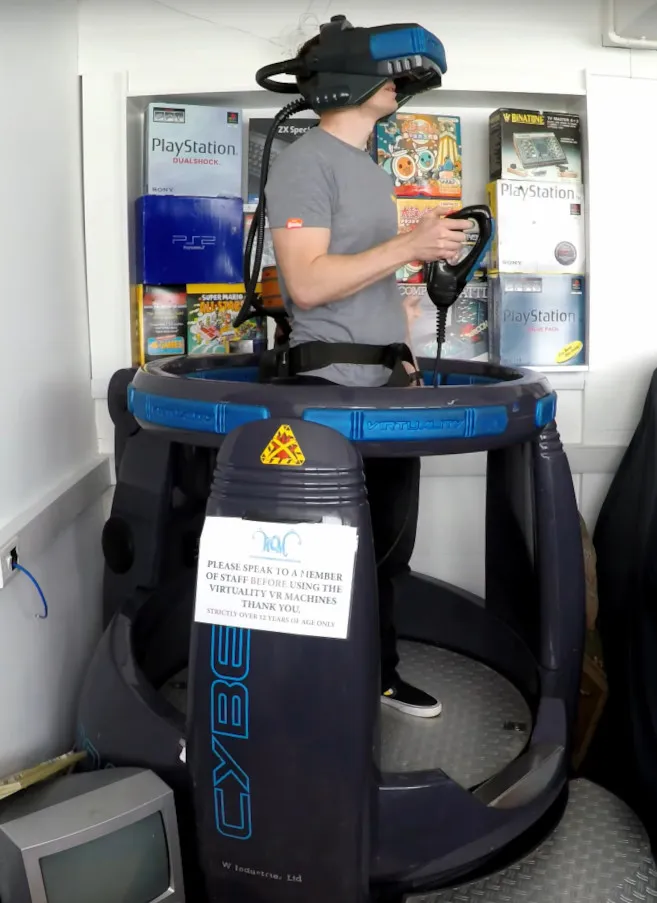
UK location-based VR arcades cannot win a graphics war against home headsets, and they should stop trying. The venues that will survive the high street's second act are the ones that design for hands, groups and physical sensation, not just screens strapped to faces.